From Store Shelves to Search Bars: How Music Collections Moved
Picture the aisle of a record shop decades ago: shrink-wrapped vinyl filed under handwritten genre cards, a clerk behind the counter, and a buyer flipping through sleeves to decide which album was worth the week’s wages. Now cut to a search bar today, where a listener types a song title and previews it within seconds. What actually changed for the buyer is not the desire to own music, but the distance between wanting a track and having it.
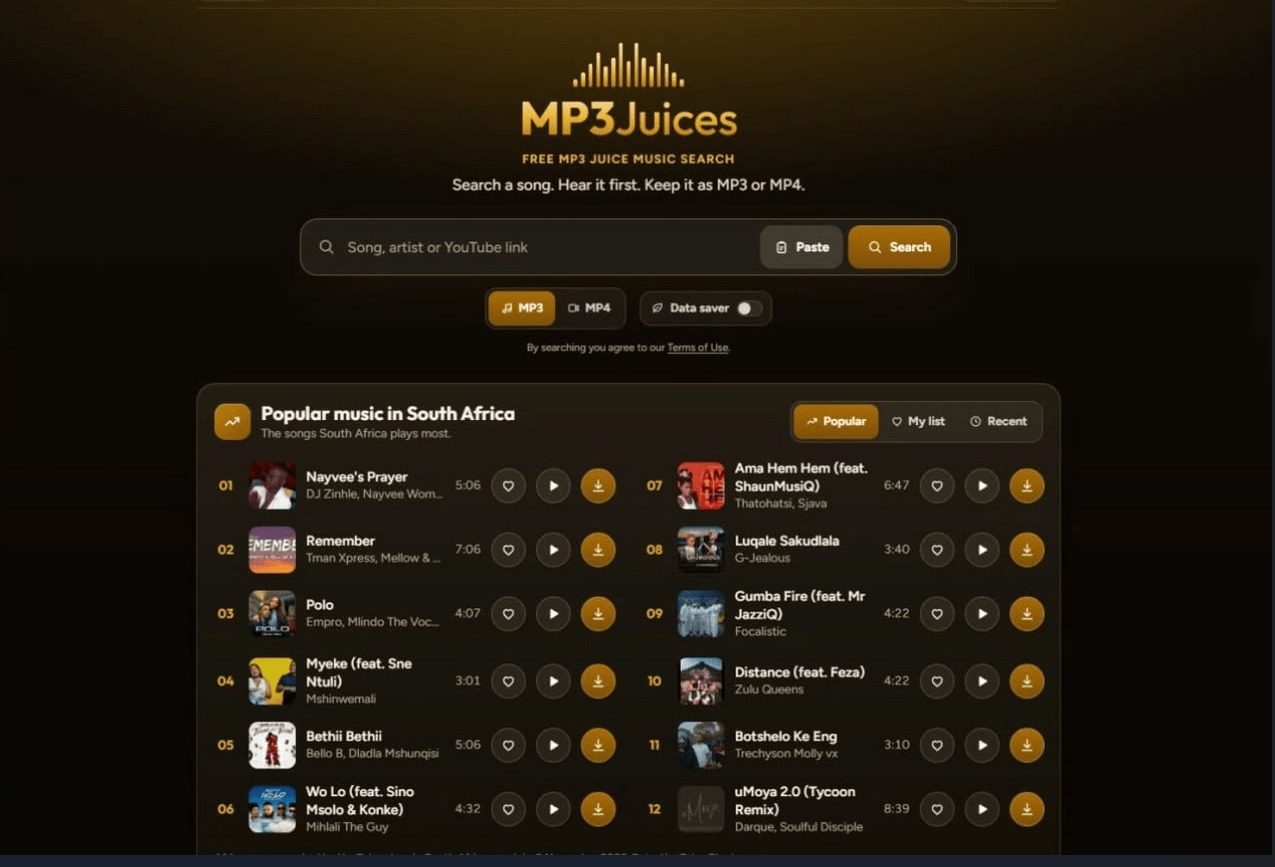
The modern endpoint of that journey is visible on mp3juices.art, a free music search site where you can find a song, listen to it first, and download it as an MP3 or MP4 file without an account or installation. To understand why that feels natural rather than radical, it helps to trace the retail history of the music collection in three eras.
Era One: The Physical Shelf and the Deliberate Purchase
In the record shop era, a music collection was a visible object. Albums sat on a shelf at home the way inventory sat on a shelf in the store, and every addition carried a decision cost. The buyer had to travel, browse, ask the clerk for a recommendation, and commit money before hearing a single note unless a listening booth was available.
That friction shaped behavior. People bought fewer titles but often knew them deeply, because a mistake was expensive. The store, in turn, acted as the discovery engine: charts on the wall, staff picks near the register, and genre sections that functioned like today’s browsing menus.
What the buyer gained and lost
The gain was a tactile relationship with the collection and a trusted human filter at the counter. The loss was access: if the shop did not stock a title, the buyer simply went without it, sometimes for months.
Era Two: The Digital Folder and the Collapse of Distance
When music moved into files and folders, the collection became invisible but vastly larger. The shelf shrank into a directory tree, and the clerk’s recommendation was replaced by search, charts, and community lists. The critical change was that previewing before committing became normal, because a download no longer required a physical trip.
This era also introduced a new kind of buyer behavior: browsing by genre and by artist rather than by album. Instead of walking one section of a store, a listener could jump from a chart entry to an artist page to a related genre in minutes. The collection stopped being a display and started being a database.
The trade-offs that appeared
Convenience arrived with its own costs. File formats mattered, storage filled up, and the difference between a stream and an owned file confused many listeners. Data-heavy pages also slowed browsing on mobile connections, which is why features like a data saver mode eventually became a practical requirement rather than a luxury.
Era Three: The Search Bar as the Modern Record Shop
Today the shop aisle is a search field. On mp3juices.art, the flow mirrors the old retail journey but compresses it: search for a song, listen to a preview, then choose MP3 for audio or MP4 for video. Charts replace the wall display, genre and artist browsing replace the labeled sections, and a personal list replaces the stack of records you carried to the counter.
The retail parallel is exact in one respect: the store still organizes discovery. What changed is that the buyer no longer pays in travel and uncertainty, only in attention. No account is required, which removes the membership card from the transaction entirely.
A practical comparison across the three eras
| Era | How you found music | How you committed | Main friction |
|---|---|---|---|
| Physical shop | Charts, clerk, genre sections | Bought an album unseen | Travel, cost, limited stock |
| Digital folder | Search, community lists | Downloaded a file | Formats, storage, slow pages |
| Search bar today | Search, charts, artist pages | Preview, then MP3 or MP4 | Attention and file organization |
Read the table as a retail story rather than a technical one. Each era kept the same three jobs, discovery, evaluation, and acquisition, but handed them to a different interface. The record shop did all three behind a counter. The search bar does all three on one screen.
Common mistakes buyers still make
- Downloading before previewing, then discovering the file is not the version they wanted.
- Ignoring format choice and later struggling to play an MP4 on an audio-only device.
- Skipping the personal list and losing track of songs they meant to revisit.
- Browsing on a slow connection without enabling data saver mode.
None of these are new mistakes in kind. They are the digital equivalents of buying the wrong pressing or forgetting which album a friend recommended. The interface changed; the human error stayed familiar.
What Actually Changed for the Listener
The deepest shift is not ownership but sequence. In the shop era, commitment came before listening. Today, listening comes before commitment, and that reversal is why preview-first behavior now defines music discovery. A buyer can test a track, reject it, and move on without spending anything but seconds.
The second shift is scale without clutter. A physical collection was limited by shelf space, and a digital folder was limited by storage and patience. A search-based collection is limited mainly by how well the listener organizes it, which is why a personal list feature matters more than raw catalog size. The store no longer needs to be walked; it needs to be searched well.
The third shift is the disappearance of the gatekeeper. The clerk who once decided what sat near the register has been replaced by charts and genre pages that any listener can browse directly. That democratizes discovery, but it also removes the human curation that once made a lucky find feel earned.
Seen through a retail lens, mp3juices.art is less a novelty than a logical storefront: search replaces the aisle, preview replaces the listening booth, and the download replaces the bag carried home. The collection moved from shelves to folders to search bars, and the buyer moved with it, still looking for the same thing, a song worth keeping.